Does Bleach Really Kill Mold? What Raleigh Homeowners Should Know
June 16, 2026 · 8 min read
Reach for the bleach at the first sign of mold, and you are in good company. It is the go-to home remedy for a black spot on the wall. But for real mold, bleach often does less than people think. Knowing why saves Raleigh homeowners from a problem that keeps coming back.
Key Takeaways
- Bleach can wipe mold off hard, nonporous surfaces like tile.
- On porous materials like drywall, bleach leaves the roots behind.
- The EPA does not recommend bleach as a routine mold treatment.
What Bleach Can and Cannot Do
Bleach is a strong disinfectant, so the confusion is understandable. The problem is where mold actually lives. Surface and structure are two different things.
On Hard Surfaces
On glass, tile, or a tub, bleach wipes surface mold away. These nonporous surfaces do not let mold root deep. There, a bleach wipe can do the job.
On Porous Materials
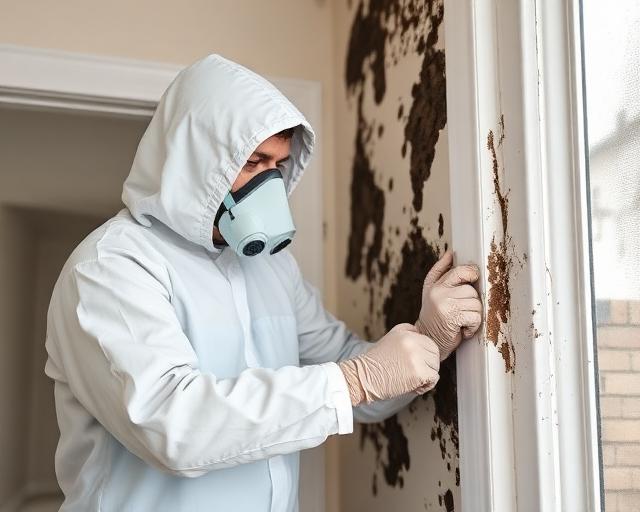
Drywall, wood, and insulation are porous and absorbent. Mold sends roots below the surface where bleach cannot reach. The EPA advises against biocides like bleach as a routine practice, as stated in its bleach and mold guidance.
Why Bleach Often Makes It Worse
Bleach can give a false sense that the mold is gone. The visible stain fades while the problem remains. That delay lets it spread.
The Water Problem
Bleach is mostly water, and porous materials soak it up. That added moisture can actually feed the remaining mold. The roots survive and regrow within weeks.
The Surface Illusion
A wiped surface looks clean but is not remediated. The EPA notes that fixing moisture and removing growth is the real fix, as covered in its mold cleanup guidance. Bleach skips both of those steps.
What Actually Works
Real mold control is not about a single spray. It is about the source and the material. The approach is different from a quick wipe.
Fix the Moisture First
Mold needs moisture, so the leak or humidity has to go first. Without that, any treatment is temporary. This is the step bleach never addresses.
Remove, Don't Just Coat
Porous materials with deep growth are removed, not wiped. Salvageable surfaces are cleaned with the right methods. Then the area is dried fully.
Glover Environmental handles mold the right way for Raleigh homeowners, not with a bleach bottle. We find the moisture, remove affected materials, and clean what remains. You can see how our mold remediation service works.
When you are unsure how deep it goes, our mold testing and inspection team checks first. Knowing the extent guides the right fix.
What Actually Kills Mold for Good
No single spray ends a mold problem permanently. Lasting control comes from two things together. Skip either and it returns.
Moisture Plus Removal
Mold needs water, so the leak or humidity must go first. Then the growth itself has to be removed, not just bleached. Together those two steps make the fix last.
Why a Spray Alone Fails
A surface treatment leaves the roots and the moisture behind. The visible stain fades, so the problem looks solved. Weeks later the mold is back in the same spot.
Bleach on Different Surfaces
Where the mold sits changes what bleach can do. The same bottle helps on one surface and fails on another. Knowing the difference saves you effort.
Hard, Nonporous Surfaces
On glass, tile, plastic, or a tub, bleach can wipe surface mold. These surfaces do not let roots dig in. A simple wipe often does the job.
Porous Surfaces
On wood, drywall, fabric, or grout, bleach leaves the roots behind. Concrete is porous too, so growth survives below the surface. These need real removal, not a wipe.
Better Alternatives to Bleach
If you want a home remedy, a few beat bleach. They penetrate better on the surfaces that matter. None replaces fixing the moisture, though.
Vinegar and Hydrogen Peroxide
Undiluted white vinegar soaks into porous surfaces better than bleach. Hydrogen peroxide is another common, gentler option. Both work best on light, surface-level growth.
Detergent and Scrubbing
Plain detergent and water with a scrub removes a lot of surface mold. The EPA favors this over harsh biocides. Dry the area fully afterward so it does not return.
When to Call a Mold Pro
Some mold jobs are bigger than a spray bottle. A simple size rule helps you decide. Health and hidden growth matter too.
The Square-Footage Rule
The EPA suggests calling a pro for mold larger than about ten square feet. Big patches often signal a deeper moisture problem. A pro finds and fixes the source.
Hidden and Recurring Mold
Mold that keeps returning usually has a hidden water source. Growth behind walls or under floors is hard to reach. A search for a Mold Removal Near Me pro can settle it for good.
Frequently Asked Questions
Does bleach kill mold on walls?
On a sealed, nonporous wall, bleach can wipe surface mold. On porous drywall, it leaves the roots behind. The mold usually returns.
Why should you not use bleach on mold?
Bleach does not reach mold roots in porous materials. Its water content can even feed regrowth. The EPA does not recommend it as a routine treatment.
Is vinegar better than bleach for mold?
Vinegar penetrates porous surfaces better than bleach. Still, neither replaces fixing the moisture and removing growth. Surface treatments alone rarely last.
Does bleach kill mold or just hide it?
On porous materials, it often just hides it. The stain fades while the roots survive. That is why the mold comes back.
What kills mold permanently?
Nothing kills mold permanently without fixing the moisture first. You must remove the growth and stop the water feeding it. A spray alone always lets it return.
When should you call a professional for mold?
The EPA suggests a pro for mold larger than about ten square feet. Recurring or hidden mold also needs professional help. Both usually point to a deeper moisture problem.
Skip the Bleach, Fix the Source
Bleach treats the stain, not the mold or the moisture behind it. Real remediation removes the growth and the water that fed it. If mold keeps returning in your Raleigh home, our mold remediation in Raleigh team can find the moisture and fix it for good.